
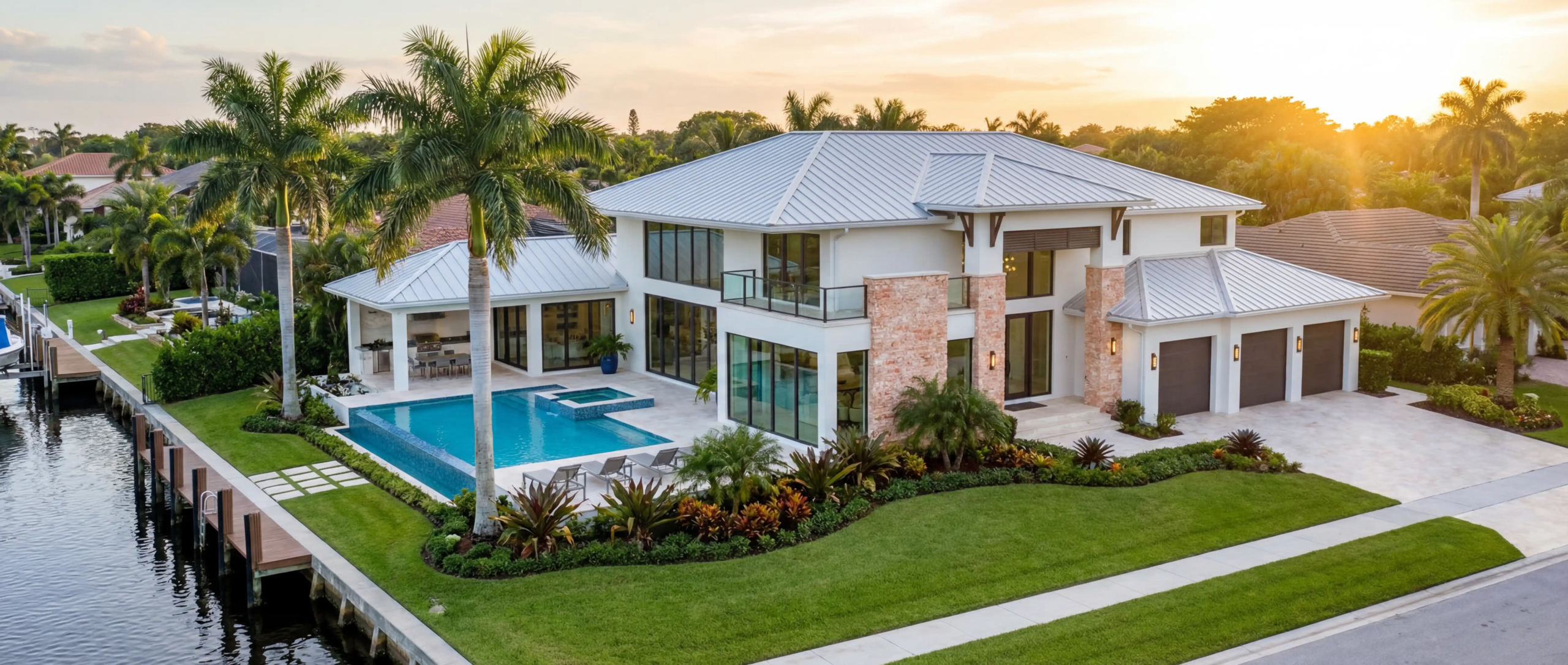
Selling a home in South Florida presents a unique set of opportunities and challenges. The dynamic market, characterized by its desirable climate, vibrant culture, and robust growth, attracts a diverse range of buyers. To navigate this landscape effectively and achieve a successful sale, a strategic approach is paramount. This guide provides essential, actionable advice for South Florida homeowners looking to maximize their return on investment and expedite their selling process.
South Florida’s real estate market is not a monolithic entity. It encompasses a spectrum of sub-markets, each with its own distinct characteristics. From the bustling urban centers of Miami-Dade to the tranquil waterfront communities of the Keys, understanding these local nuances is the first step towards a successful sale. Explore Our Current Listings to find your dream home today.
Identifying Your Property's Unique Selling Proposition
Every home possesses inherent qualities that set it apart. Identifying and amplifying these unique selling propositions (USPs) is crucial in a competitive market. Is your property situated within walking distance of a popular downtown district with its array of dining and entertainment? Does it boast direct ocean access, a rare commodity even in coastal South Florida? Perhaps it’s a meticulously landscaped oasis offering unparalleled privacy in a densely populated area. Pinpointing these advantages allows for targeted marketing and resonates more deeply with potential buyers.
Analyzing Local Market Trends and Comparables
A thorough understanding of your immediate neighborhood's sales data is indispensable. This involves examining recently sold properties (comparables or "comps") that are similar in size, style, age, and condition to yours. This analysis will establish a realistic price range and inform your pricing strategy. For instance, in a market where waterfront homes are consistently commanding a premium, pricing your canal-front property competitively within that context is essential. Conversely, a property in a trending inland neighborhood might benefit from a slightly more aggressive pricing strategy if recent sales indicate strong demand and upward price momentum. Consider the impact of fluctuating interest rates and inventory levels; a buyer’s market, characterized by a surplus of homes for sale, demands a different approach than a seller’s market, where demand outstrips supply.
Recognizing the Impact of External Factors
External factors, such as the local economic climate, seasonal buyer influx, and even hurricane season preparedness, can significantly influence the selling process in South Florida. During peak tourist seasons, for example, many potential buyers are in the area, creating a fertile ground for showings and offers. Conversely, the approach of hurricane season might prompt some buyers to pause their search, necessitating a strategic marketing timeline. Understanding these rhythms allows for proactive adjustments to your selling strategy.
Preparing Your South Florida Home for the Market
The adage "you never get a second chance to make a first impression" is particularly true in real estate. The presentation of your home is a critical determinant of buyer interest and ultimately, sale price. Investing time and resources in preparing your property can yield substantial returns.
The Art of Decluttering and Depersonalizing
Buyers need to envision themselves living in your home, not merely inhabiting your current space. This means systematically removing personal items, excess furniture, and clutter. Think of it as curating a model home. Personal photographs, collections, and even distinct decorative styles can create a barrier for potential buyers. Imagine your home as a blank canvas, ready for a new artist to add their vision. This process can also be cathartic, simplifying your own transition to your next residence.
Strategic Staging to Accentuate Your Home's Strengths
Staging goes beyond mere decluttering. It involves arranging furniture and decor to highlight your home's best features and maximize the perceived spaciousness of each room. A professional stager can offer invaluable insights into current buyer preferences and the most effective ways to showcase your property’s potential. For example, in a South Florida home with ample natural light, staging should focus on enhancing this feature, perhaps by using lighter-colored furnishings and strategically placed mirrors. If your property has an outdoor living area, staging this space to be inviting can be a significant draw, especially given the state's emphasis on outdoor lifestyle.
Enhancing Curb Appeal: The Gateway to Interest
The exterior of your home is the very first impression a buyer will have, even before they step inside. In South Florida, where outdoor living is a significant part of the lifestyle, this is particularly crucial.
Landscaping for Maximum Impact
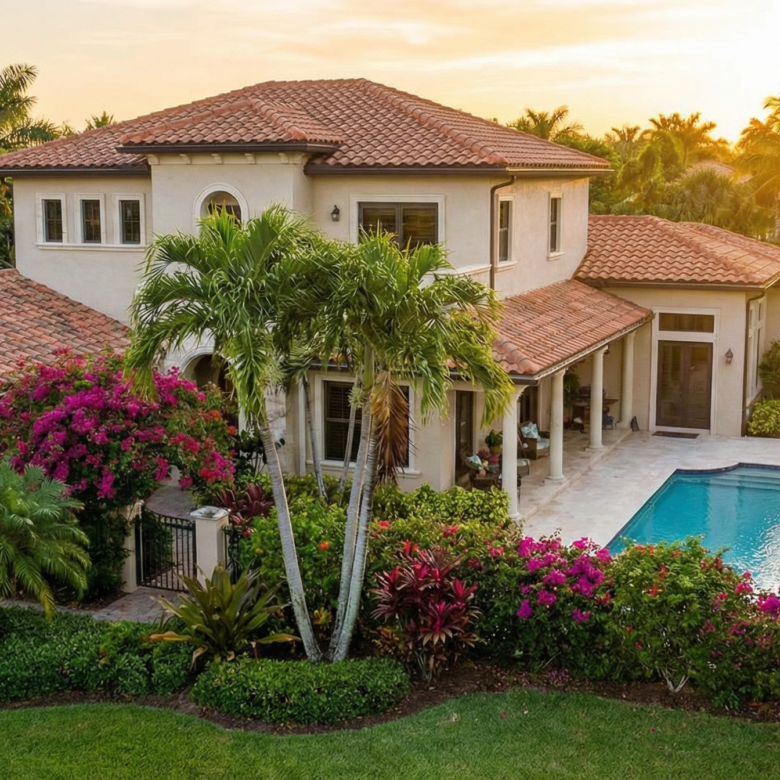
Well-maintained landscaping is no longer a luxury; it's a necessity. This includes regular lawn mowing, trimming hedges, planting colorful flowers that thrive in the South Florida climate (think bougainvillea, hibiscus, or colorful succulents), and ensuring pathways are clear and inviting. Consider the impact of mature trees, which can offer shade and a sense of established beauty. Removing any dead or dying plants is non-negotiable, as they project an image of neglect.
Exterior Maintenance: A Foundation of Trust
Addressing any visible signs of wear and tear on the exterior is vital. This could involve pressure washing the siding, cleaning gutters, touching up paint on the front door and trim, and ensuring outdoor lighting is functional and aesthetically pleasing. A clean, well-maintained exterior signals to buyers that the property has been cared for inside and out, building a foundation of trust. Think of your home's exterior as its handshake – it needs to be firm and welcoming.
Interior Touches: Creating an Inviting Atmosphere
Once a buyer is drawn in by the curb appeal, the interior must continue to impress.
Fresh Paint: The Universal Balancer
A fresh coat of neutral-colored paint can dramatically transform a space, making it appear cleaner, brighter, and more spacious. Lighter tones, such as off-whites, soft grays, or subtle beiges, are generally preferred by buyers as they provide a neutral backdrop that allows for personalization. This is a relatively inexpensive undertaking that can yield a significant return on investment by making your home feel updated and move-in ready.
Deep Cleaning: A Testament to Care
Before any showings, a professional, deep clean is essential. This encompasses everything from scrubbing grout in bathrooms to cleaning ceiling fans and baseboards. Windows should sparkle, and the air should be fresh and free of pet odors or lingering cooking smells. A spotless home conveys a sense of meticulous care, reassuring buyers that the property has been well-maintained.
Pricing Your South Florida Home Strategically
Setting the right price is arguably the most critical decision in the selling process. Too high, and your home may languish on the market, diminishing buyer interest and potentially leading to price reductions that can create a perception of desperation. Too low, and you leave money on the table.
The Science of Comparative Market Analysis (CMA)
A robust Comparative Market Analysis (CMA) is your most reliable compass. This detailed report, typically prepared by your real estate agent, examines recent sales of comparable properties in your immediate area. It considers factors such as square footage, number of bedrooms and bathrooms, lot size, amenities (like pools, docks, or updated kitchens), and the condition of the property.
Understanding Market Value vs. Asking Price
It’s crucial to differentiate between market value and your asking price. Market value is what a willing buyer will pay and a willing seller will accept, determined by current market conditions. Your asking price is the figure you initially present to the market, which should be informed by the CMA but also consider your desired outcome and the broader market dynamics. In a seller’s market, you might price slightly above the upper range of estimated market value to test the waters and potentially elicit multiple offers. In a buyer’s market, you'll likely need to price at or slightly below the estimated market value to attract attention.
The Psychology of Pricing: Finding the Sweet Spot
Beyond the data, there’s a psychological aspect to pricing. Psychologically priced homes, often ending in “9,” can appear to be a better deal. However, in South Florida’s discerning market, outright “deals” are less common than well-priced properties. The goal is to price your home so it's competitive and attractive to the widest pool of potential buyers, encouraging them to schedule a viewing.
Avoiding the Pitfalls of Overpricing
Overpricing is a common mistake that can have detrimental consequences. A home that is perceived as overpriced will likely receive fewer showings and generate less interest. Over time, this can lead to a stalled listing, requiring significant price reductions that may signal to buyers that the property has had issues or is not worth the initial asking price. It’s akin to starting a race with one hand tied behind your back; you're already at a disadvantage.
The Role of an Experienced Real Estate Agent in Pricing
An experienced South Florida real estate agent brings invaluable local knowledge and market expertise to the pricing discussion. They can provide objective insights, interpret complex market data, and offer guidance based on their experience with similar properties in your neighborhood. They understand the ebb and flow of seasonality and how it directly impacts buyer behavior and pricing potential.
Marketing Your South Florida Home Effectively
Once your home is market-ready and priced appropriately, the next critical step is to implement a comprehensive and compelling marketing strategy. This is where your home’s story is told to potential buyers.
Professional Photography and Videography: The Digital Handshake
In today’s digital age, high-quality visuals are paramount. Professional photography that captures your home’s best angles, natural light, and key features is essential. Consider investing in drone photography to showcase the expansive grounds, waterfront views, or proximity to amenities that are difficult to convey otherwise. A well-produced video tour or a virtual reality walkthrough can allow buyers from out of town to experience your home as if they were there, a significant advantage for the South Florida market, which attracts many out-of-state and international buyers.
Crafting a Compelling Property Description
The written description accompanying your listing is your opportunity to paint a vivid picture of your home and its lifestyle. Focus on highlighting key features, benefits, and the unique atmosphere of your property. Instead of just stating "three bedrooms," describe them as "spacious bedrooms bathed in natural light, offering a serene retreat." Emphasize the lifestyle your home affords: "Imagine sipping your morning coffee on the expansive lanai, overlooking your private oasis, or entertaining guests against the backdrop of a stunning South Florida sunset."
Leveraging Online Listing Platforms and Social Media
Your home’s listing should be visible across all major online real estate portals (e.g., Zillow, Realtor.com, Trulia) and the Multiple Listing Service (MLS). Your agent will ensure this. Beyond these platforms, consider the power of social media. Targeted advertising campaigns on platforms like Facebook and Instagram can reach specific demographics of potential buyers, such as young families, retirees, or those seeking vacation homes. Visually appealing content, showcasing your home’s best attributes, can generate significant interest.
Open Houses and Broker’s Opens: Creating Buzz and Interest
Organized open houses allow a substantial number of potential buyers to tour your home in a single day. A "broker's open" is an event specifically for other real estate agents, encouraging them to experience your property firsthand and then recommend it to their clients. Both events are valuable for generating buzz and creating a sense of demand.
Negotiating Offers and Closing the Deal
| Metric | Value | Notes |
|---|---|---|
| Average Time on Market | 45 days | Varies by location and season |
| Median Sale Price | 375,000 | Depends on city and property type |
| Typical Real Estate Commission | 5-6% | Usually split between buyer and seller agents |
| Closing Costs for Seller | 1-3% | Includes title insurance, transfer taxes, and fees |
| Capital Gains Tax Exemption | Up to 250,000 (single), 500,000 (married) | Must have lived in the home for 2 of last 5 years |
| Common Repairs Before Sale | Roof, HVAC, Plumbing | Repairs can increase sale price and speed |
| Seasonal Selling Trends | Spring and Summer | Typically higher buyer activity |
Receiving an offer is a significant milestone, but the journey isn't over. The negotiation phase requires a calm, strategic approach to reach a mutually agreeable outcome.
Understanding the Offer: Price, Terms, and Contingencies
An offer is more than just a number; it includes crucial terms and contingencies. The sales price is obviously important, but so are the proposed closing date, any financing contingencies (e.g., if the buyer needs to secure a mortgage), inspection contingencies (allowing the buyer to have the property professionally assessed), and any included personal property. Understanding these elements allows you to evaluate the offer’s strengths and weaknesses comprehensively.
Responding to an Offer: Counteroffers and Negotiations
Your response to an offer will likely involve a counteroffer. This is your opportunity to address any terms you find unacceptable or to negotiate a higher price. A skilled agent will guide you through this process, advising you on acceptable concessions and the best strategy for achieving your desired outcome. It’s a dance of give and take, where clear communication and a firm understanding of your priorities are key.
The Importance of Contingency Management
Contingencies can be a point of contention. A buyer's desire to include contingencies is understandable, as they offer protection. However, as a seller, you’ll want to ensure these contingencies are reasonable and have clear deadlines. For instance, a short inspection period is preferable to an indefinite one. If a contingency becomes a barrier to a sale, your agent can help navigate potential solutions or explore other offers.
Navigating Inspections and Appraisals
Once an offer is accepted, the buyer will typically conduct a home inspection and an appraisal. The inspection may uncover issues that require further negotiation for repairs or credits. An appraisal, conducted by the buyer’s lender, confirms the property’s value for financing purposes. If the appraisal comes in lower than the agreed-upon sale price, you may need to renegotiate or explore options for the buyer to cover the difference.
Closing the Deal: The Final Steps
The closing process involves finalizing all legal and financial paperwork. This includes signing the deed, transferring funds, and ensuring all liens are satisfied. Your real estate agent and closing attorney or title company will manage this complex process, ensuring a smooth transition of ownership. This is the culmination of your efforts, the final act in the successful sale of your South Florida home.
Talk to a Local Real Estate Expert

Join The Discussion