
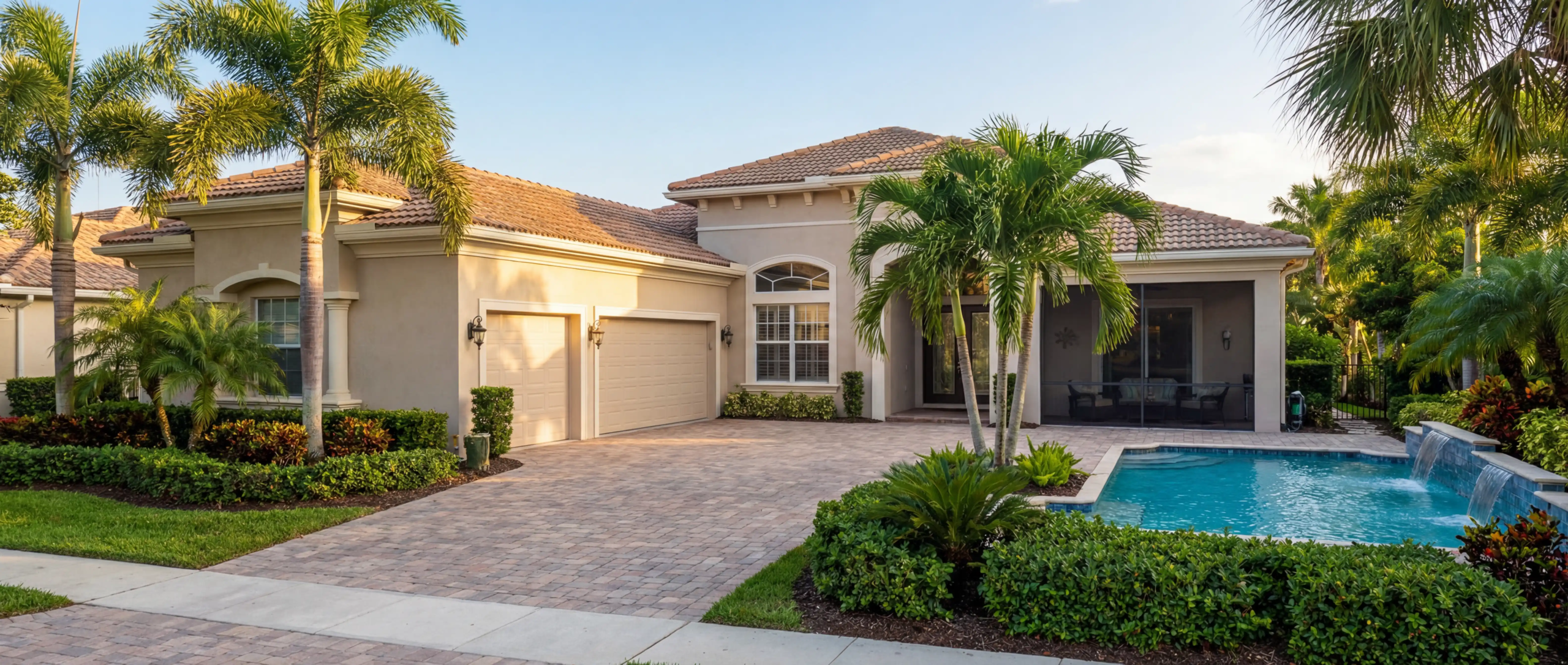
The decision to acquire property in South Florida represents a significant financial and lifestyle commitment. This region, characterized by its unique climate, diverse communities, and dynamic real estate market, presents both distinctive opportunities and challenges for prospective homebuyers. Navigating this landscape effectively requires a strategic approach, a thorough understanding of local nuances, and a commitment to meticulous due diligence. This guide aims to equip you with the essential knowledge and practical advice necessary to secure a desirable property in the South Florida market.
Before embarking on the physical search for a home, it is imperative to grasp the fundamental characteristics of the South Florida real estate market. This is not a monolithic entity; rather, it is a complex tapestry of micro-markets, each with its own distinct dynamics. Explore Our Current Listings to find your dream home today.
Market Fluctuations and Local Economic Drivers
South Florida's real estate sector is intrinsically linked to broader economic trends, both domestic and international. Factors such as interest rate changes, employment statistics, population growth, and global economic sentiment can significantly influence property values and market liquidity. For instance, the region's strong tourism industry and status as a financial hub often provide a degree of resilience, yet sudden shifts in these sectors can ripple through housing. Observe local business development, infrastructure projects, and migration patterns; these are often precursors to market shifts. A burgeoning tech sector in Miami-Dade County, for example, might increase demand for housing in specific urban cores, while new developments along the Treasure Coast could indicate expanding suburban options.
Diversity of Property Types and Lifestyles
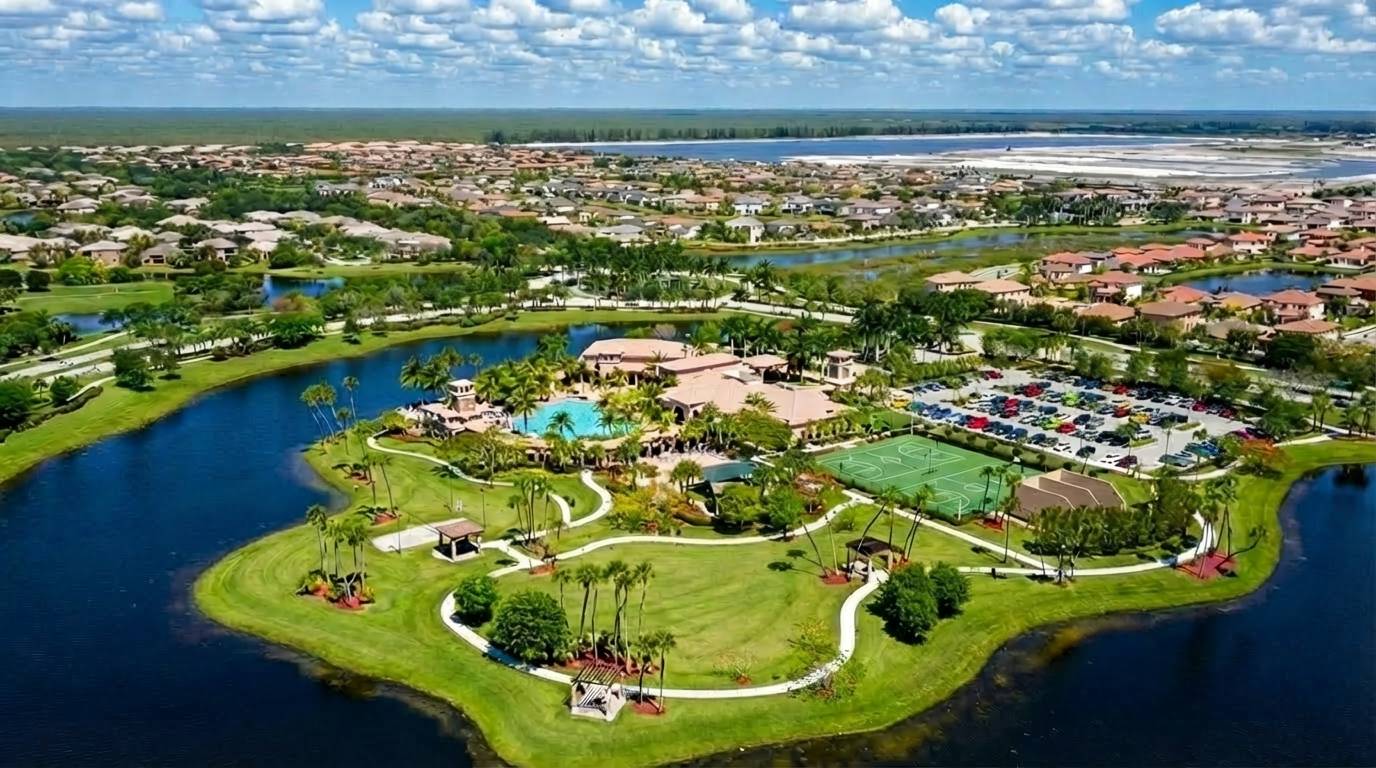
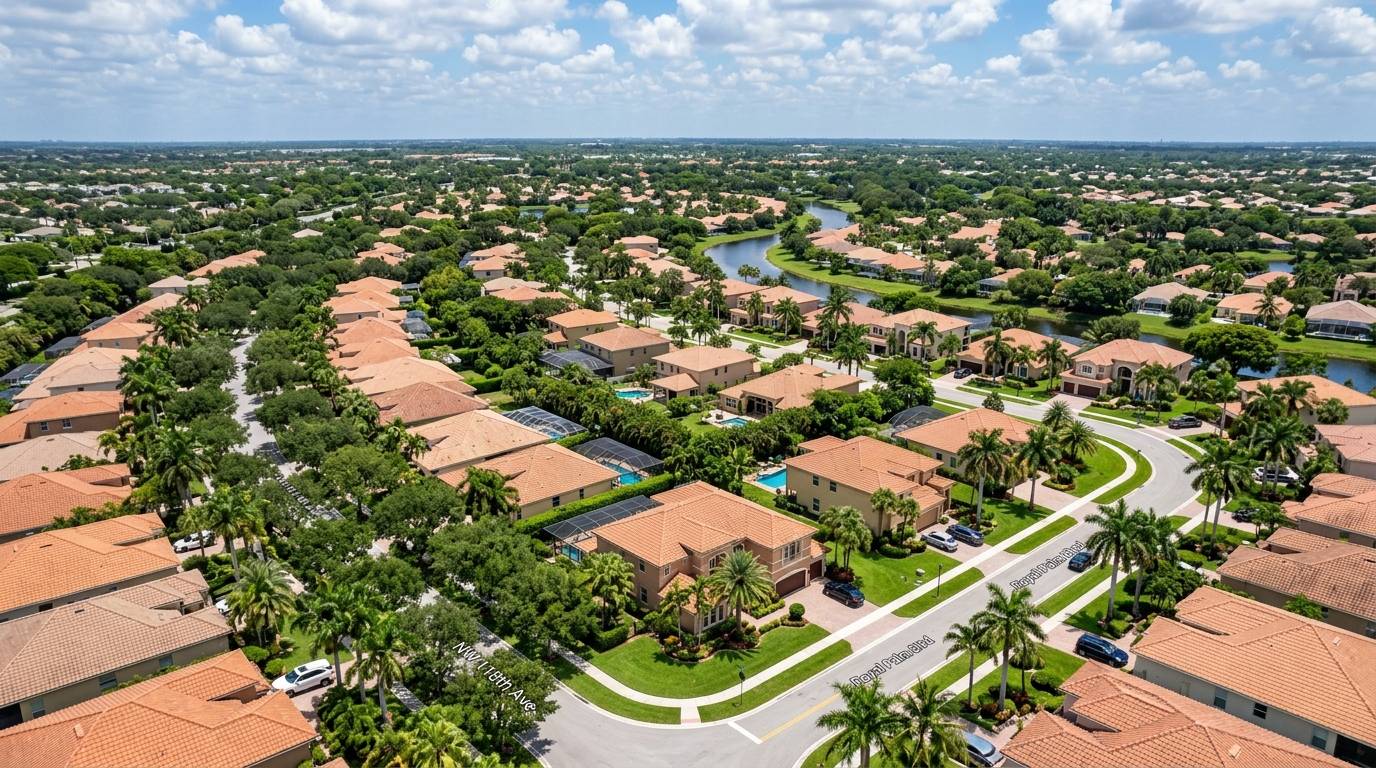
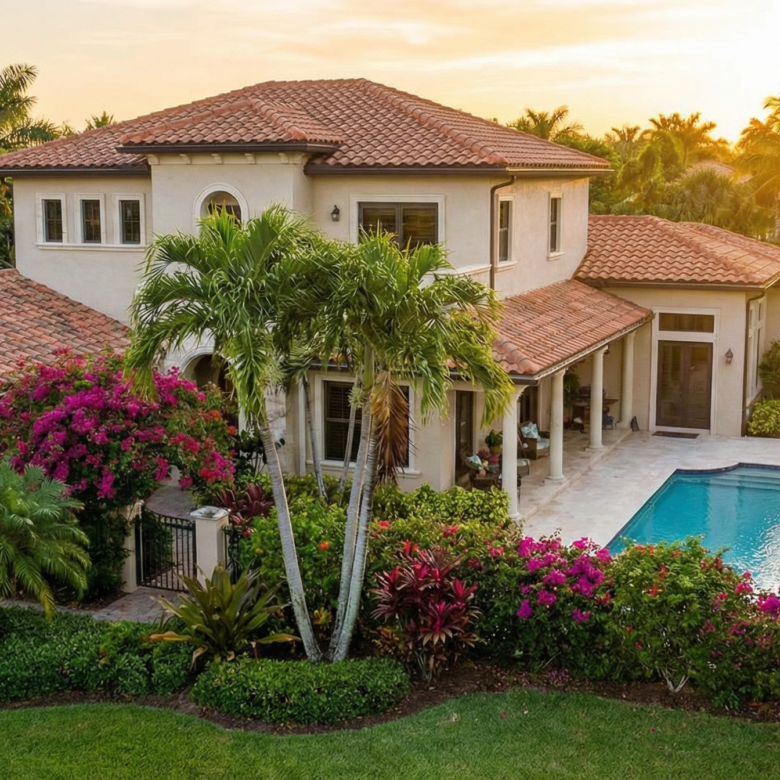
South Florida offers an unparalleled range of property types, each catering to different lifestyles and investment objectives. From high-rise condominiums with ocean views in Miami Beach to single-family homes in suburban communities like Coral Springs, or equestrian estates in Wellington, the options are extensive.
- Condominiums and Townhomes: These are prevalent in urban and coastal areas, offering amenities, reduced exterior maintenance, and often, a lock-and-leave lifestyle. However, they come with homeowner association (HOA) fees, which can be substantial and cover items such as building maintenance, insurance, and shared facilities. A meticulous review of HOA documents is non-negotiable.
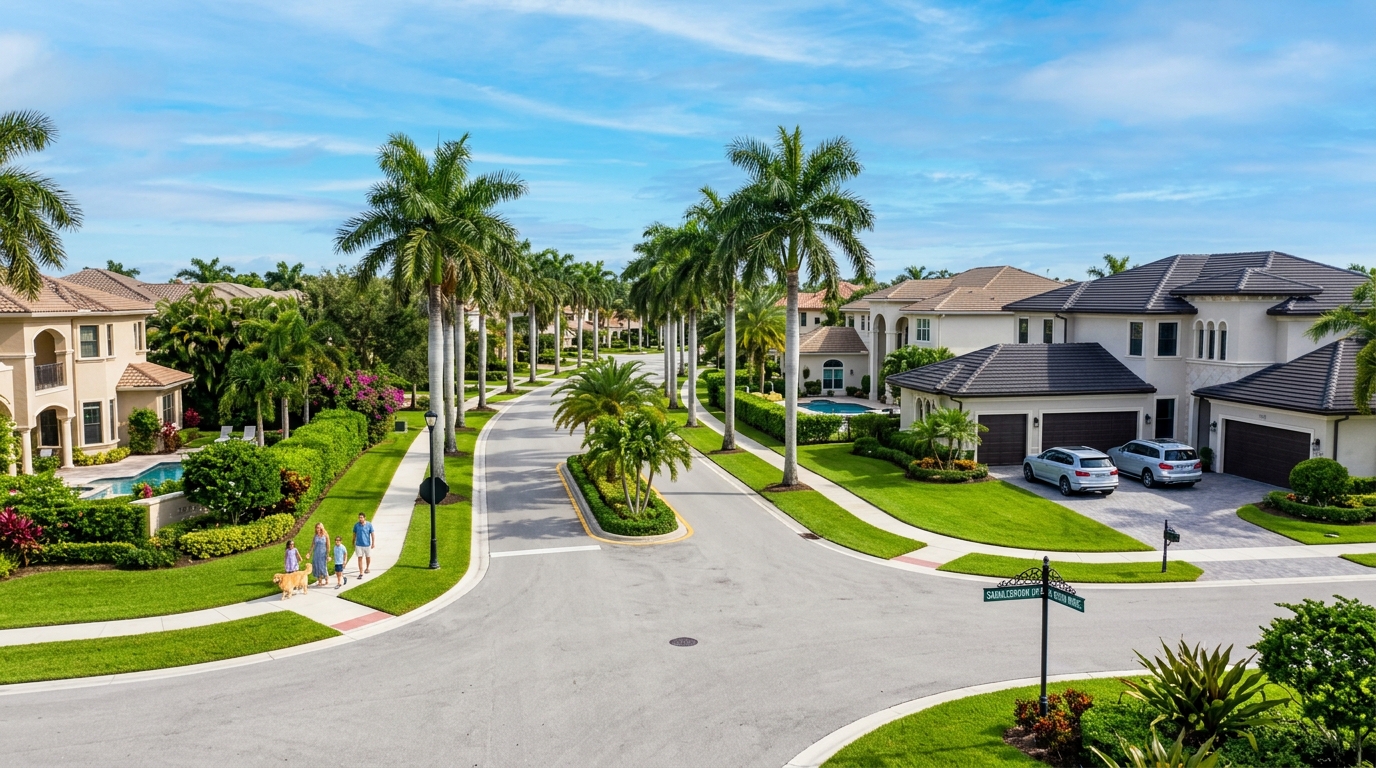
- Single-Family Homes: Found throughout the region, these provide more privacy and often larger land parcels. The diversity within this category is significant, ranging from historic bungalows in areas like Coconut Grove to modern construction in newly developed communities.
- Waterfront Properties: A signature appeal of South Florida, these homes offer direct access to canals, bays, or the ocean. They command a premium due to scarcity and lifestyle benefits, but also come with unique considerations such as seawall maintenance, flood insurance, and vessel dockage requirements.
- Investment Properties: The region's robust rental market, driven by tourism and a transient workforce, makes investment properties an attractive proposition for some. Careful analysis of rental yields, vacancy rates, and short-term rental regulations (which can vary significantly by municipality) is crucial.
Understanding what type of property aligns with your long-term goals and financial capacity is the foundational step.
Financial Preparation and Pre-Approval
The process of acquiring real estate is often a competitive endeavor in South Florida. Demonstrating your financial readiness from the outset is not merely advantageous; it is often a prerequisite for a successful transaction.
Securing Mortgage Pre-Approval
Before engaging with real estate listings, obtain a mortgage pre-approval, not merely a pre-qualification. A pre-qualification is a preliminary estimate of what you might afford, based on self-reported information. A pre-approval, conversely, involves a lender verifying your financial information—income, assets, and credit history—to provide a conditional commitment for a specific loan amount. This carries significant weight with sellers, signaling that you are a serious and viable buyer. It also provides a clear upper limit for your property search, preventing wasted time on unsuitable homes.
Understanding Closing Costs and Ongoing Expenses
Beyond the down payment, homebuyers must factor in a range of closing costs, which typically amount to 2-5% of the purchase price. These include:
- Loan Origination Fees: Charged by the lender for processing your loan.
- Title Insurance: Protects both the lender and you from future claims against the property's ownership.
- Appraisal Fees: To assess the market value of the property.
- Recording Fees: To officially register the property transfer.
- Prepaid Property Taxes and Homeowner's Insurance: Often required to be paid upfront for a certain period.
- Attorney Fees: For legal representation during the closing process, which is common in Florida.
Furthermore, South Florida property ownership entails ongoing expenses beyond the mortgage payment. These include property taxes (which can be substantial and reassessed annually), homeowner's insurance (including often mandatory flood and windstorm insurance), and potentially HOA or condominium association fees. Neglecting to budget for these can lead to financial strain.
Due Diligence and Property Evaluation
Purchasing real estate without thorough due diligence is akin to navigating an unfamiliar channel without a chart. The potential for unforeseen hazards is significant.
Comprehensive Property Inspections
Once you have identified a property of interest and your offer has been accepted, a comprehensive home inspection is paramount. Engage a licensed and reputable inspector who is familiar with construction methods prevalent in South Florida. This inspection should go beyond superficial aesthetics and meticulously examine the structural integrity, electrical systems, plumbing, HVAC, roof, and foundation. Specific attention should be paid to:
- Moisture Intrusion: Due to the humid climate, mold and mildew are common concerns.
- Pest Infestation: Termites and other insects thrive in this environment. A WDO (Wood Destroying Organism) inspection is often a separate, yet crucial, component.
- Roof Condition: Given the intense sun and potential for hurricane activity, the age and condition of the roof are critical. Insurance companies often have strict requirements regarding roof age.
- Hurricane Preparedness: Features such as hurricane-impact windows/doors, storm shutters, and roof strapping are significant for safety and insurance rates.
The inspection report will serve as a crucial document for negotiating repairs or credits with the seller, or, if necessary, for safely withdrawing your offer.
Insurance Considerations: Flood and Windstorm
Florida's geographical position renders it susceptible to tropical weather systems. Consequently, obtaining adequate insurance coverage is not merely advisable but often legally mandated by lenders.
- Homeowner's Insurance: Covers basic perils like fire, theft, and liability.
- Windstorm Insurance: Often a separate policy or deductible, specifically covering damage from hurricane-force winds.
- Flood Insurance: Crucial for properties in designated flood zones (as determined by FEMA), and strongly recommended even for those outside them given the potential for heavy rainfall and rising sea levels.
Before finalizing your purchase, obtain insurance quotes. Premiums can vary significantly based on the property's construction, elevation, age of the roof, and the presence of hurricane mitigation features. Unexpectedly high insurance costs can render an otherwise attractive property financially unfeasible.
Navigating the Purchase Agreement and Closing Process
The legal and transactional aspects of real estate acquisition require diligent attention and professional guidance.
The Role of a Qualified Real Estate Agent
A skilled real estate agent acts as your advocate, guiding you through the complexities of the market and the transaction. Look for an agent with:
- Local Expertise: A deep understanding of South Florida's diverse neighborhoods, current market trends, and property values.
- Strong Negotiation Skills: The ability to effectively represent your interests in price and terms.
- Reputation for Integrity: References and a track record of ethical conduct are paramount.
- Communication Skills: Responsiveness and clarity in explaining each step of the process.
Your agent will assist with property searches, market analysis, drafting offers, negotiating terms, coordinating inspections, and facilitating communication with all parties involved.
Understanding the Purchase and Sale Agreement
The purchase and sale agreement is a binding legal contract outlining the terms and conditions of the transaction. Review this document meticulously with your agent and, if necessary, legal counsel. Key elements include:
- Purchase Price and Financing Contingency: Specifies the agreed-upon price and often includes a clause allowing you to withdraw if you cannot secure financing.
- Inspection Period: The timeframe within which you can conduct inspections and negotiate repairs.
- Closing Date: The target date for the transfer of ownership.
- Earnest Money Deposit: A sum of money deposited to demonstrate your commitment, held in escrow.
- Title Contingency: Ensures that the seller can convey clear title to the property.
- Property Disclosures: The seller's obligation to disclose known defects or issues with the property. In Florida, sellers are required to disclose any known facts that materially affect the value of the property and are not readily observable by the buyer.
Do not sign anything you do not fully comprehend. Clarity at this stage prevents disputes later.
Post-Closing Considerations and Integration
| Metric | Value | Notes |
|---|---|---|
| Median Home Price | 410,000 | Varies by city and region |
| Average Mortgage Rate | 6.5% | Based on 30-year fixed rate as of mid-2024 |
| Property Tax Rate | 0.83% | Average effective property tax rate in Florida |
| Homeowners Insurance Cost | 2,000 per year | Higher due to hurricane risk |
| Average Closing Costs | 3,000 - 5,000 | Includes fees, taxes, and insurance |
| Average Time on Market | 45 days | Time homes typically stay listed before sale |
| Down Payment Requirement | 3% - 20% | Depends on loan type and buyer qualifications |
| Average Annual Home Appreciation | 4.5% | Historical average over the past decade |
The journey does not conclude at the closing table; rather, it transitions into the responsibilities and realities of homeownership in South Florida.
Homestead Exemption and Property Taxes
As a Florida resident, you may be eligible for the Homestead Exemption, which can reduce the taxable value of your primary residence, thereby lowering your property tax burden. Apply for this exemption with your county's Property Appraiser's office by March 1st of the year following your purchase to benefit from the full reduction. This exemption also provides some protection against creditors.
Adapting to the Florida Climate
South Florida's unique semi-tropical climate heavily influences home maintenance and lifestyle.
- HVAC Maintenance: Air conditioning systems work hard year-round. Regular professional servicing is critical for efficiency and longevity.
- Lawn and Landscape Care: Warm temperatures and abundant rainfall contribute to vigorous plant growth, requiring consistent landscaping maintenance. Drought restrictions may also apply seasonally.
- Pest Control: Proactive pest management is essential, given the prevalence of insects.
- Hurricane Preparedness: Develop a comprehensive hurricane plan, including evacuation routes, emergency supplies, and securing your property during storm warnings. Familiarize yourself with local emergency management resources.
These ongoing considerations need to be integrated into your homeowner budget and routine.
The process of buying a home in South Florida is an intricate one, demanding patience, informed decision-making, and often, skillful negotiation. By approaching this endeavor with a clear understanding of the local market's specificities, ensuring meticulous financial preparation, conducting exhaustive due diligence, and securing professional guidance, you position yourself for a successful acquisition. Your new property represents not just an asset, but a portal to a distinctive lifestyle, shaped by the sun, the sea, and the vibrant culture of this unique region. Approach this journey with diligence, and you will be well-equipped to unlock the opportunities that South Florida homeownership presents.
Talk to a Local Real Estate Expert


Join The Discussion