
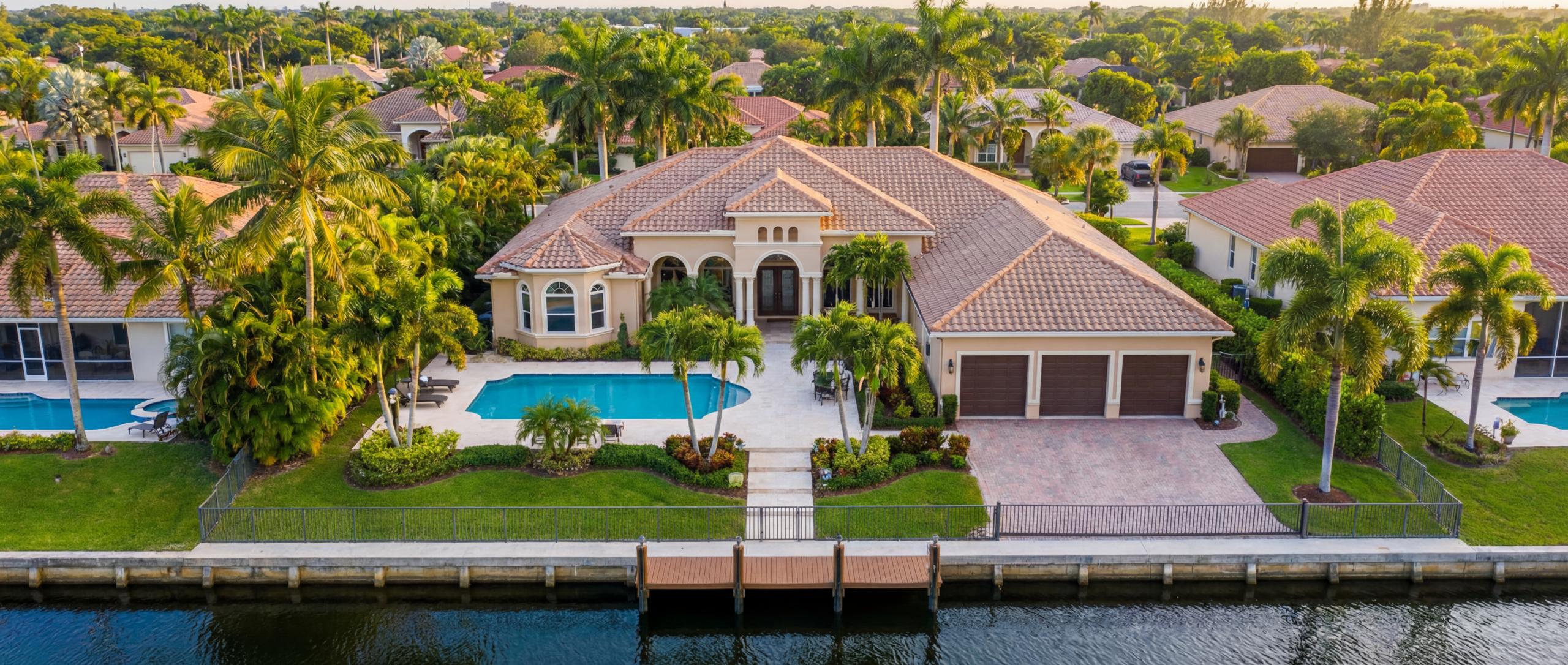
The South Florida real estate market, a vibrant and often dynamic landscape, presents both opportunities and complexities for prospective buyers and sellers. Understanding its current trajectory and peering into its future requires a discerning analysis of various economic, demographic, and policy-driven factors. This article aims to provide a comprehensive and factual overview, empowering you, the discerning homeowner or investor, with the knowledge to navigate this powerful market.
The South Florida real estate market operates under a unique confluence of forces, distinguishing it from national trends. While some broad economic indicators may mirror national patterns, local nuances often dictate the immediate experience of buyers and sellers. Explore Our Current Listings to find your dream home today.
Demand and Supply Imbalance
Historically, South Florida has experienced robust demand, driven by its attractive climate, favorable tax environment, and increasing professional opportunities. This demand frequently outpaces the availability of new housing units, a phenomenon exacerbated by limited developable land and protracted permitting processes.
- Population Influx: The region continues to be a magnet for both domestic and international migration. While the surge seen during the pandemic's height has moderately tempered, robust inward migration persists, placing continuous upward pressure on housing demand. Retirees, remote workers, and families seeking a better quality of life remain key contributors to this trend.
- Inventory Constraints: Despite ongoing construction projects, the overall inventory of available homes, particularly single-family residences, remains stubbornly low in many areas. This scarcity contributes to quicker sales cycles and competitive bidding scenarios. Think of it as a rapidly shrinking pool of available goods in a bustling marketplace.
- Impact on Pricing: The fundamental economic principle of supply and demand dictates that when demand exceeds supply, prices tend to rise. South Florida has witnessed significant price appreciation over the past several years, albeit with varying intensity across different property types and submarkets.
Interest Rate Fluctuations and Their Ripple Effect
Interest rates, set by the Federal Reserve, act as a primary lever in the housing market, influencing affordability and borrowing capacity. Recent shifts in monetary policy have had a profound impact.
- Buyer Purchasing Power: Higher interest rates directly translate to increased monthly mortgage payments for the same purchase price. This reduces the purchasing power of many potential buyers, pushing some out of the market entirely and forcing others to recalibrate their budget expectations.
- Seller Expectations: Some sellers, having observed the significant appreciation of recent years, may maintain pricing expectations that are no longer fully supported by the current interest rate environment. This can lead to longer market times and price adjustments.
- Impact on Investment Properties: Investors often rely on favorable interest rates to secure profitable returns on rental properties. Increased borrowing costs can diminish rental yields, potentially altering the investment calculus for some participants.
The Insurance Conundrum
Florida's unique geographic vulnerabilities, particularly regarding hurricanes and flood risks, have led to a complex and often volatile insurance market. This is a critical factor impacting both affordability and market stability.
- Rising Premiums: Homeowners insurance premiums in South Florida have seen substantial increases, driven by catastrophic weather events, rising reinsurance costs, and a challenging regulatory environment. This effectively adds a significant, and escalating, cost to homeownership.
- Limited Availability: In some areas, the availability of comprehensive insurance coverage has become constrained, with fewer carriers willing to offer policies or only offering them at prohibitive costs. This can complicate lending and transaction closures.
- Legislative Responses: The state legislature has enacted reforms aimed at stabilizing the insurance market. However, the efficacy and long-term impact of these measures are still in observation. For buyers, understanding the insurance landscape before making an offer is paramount.
Geographic and Segmented Performance
South Florida is not a monolithic entity; its numerous submarkets and property types exhibit distinct performance characteristics. A granular understanding is essential for strategic decision-making.
Coastal vs. Inland Markets
The perennial allure of beachfront and waterfront properties continues, yet pricing and dynamics differ markedly from inland areas.
- Coastal Premiums: Properties directly on the coast or with immediate water access command significant price premiums due to their irreplaceable location and scarcity. These areas often attract a more affluent buyer demographic, less sensitive to incremental interest rate fluctuations.
- Vulnerability and Insurance: Coastal properties also face heightened insurance challenges, particularly regarding flood and wind coverage. Elevated costs and stricter underwriting standards are common.
- Inland Affordability: Inland communities often offer more attainable price points and a wider range of housing options, appealing to families and first-time homebuyers. These areas may experience more pronounced sensitivity to interest rate changes.
Single-Family Homes vs. Condominiums
Each property type caters to different buyer profiles and faces unique market forces.
- Single-Family Scarcity: The limited availability of single-family homes, particularly those with a desired yard or in a good school district, sustains strong competition. These properties often retain value well, even in softening markets.
- Condominium Regulations (SB 4D): The Surfside condominium collapse prompted significant legislative changes (SB 4D), mandating stricter inspection and reserve funding requirements for condominium associations. This has led to increased association fees and special assessments in many buildings, impacting affordability and buyer interest.
- Rental Market Dynamics: The rental market remains robust across both single-family homes and condominiums, driven by the high cost of homeownership and the persistent demand for housing. This provides a safety net for investors, but also adds pressure on prospective buyers.
Luxury Market Resilience
The high-end segment of the South Florida market often operates with a degree of insulation from broader economic headwinds.
- Wealth Preservation: Ultra-high-net-worth individuals often view real estate as a stable asset for wealth preservation, particularly in a region with perceived long-term appreciation potential and favorable tax policies.
- International Investment: South Florida remains a global destination for international buyers seeking safe haven investments, diversification, or secondary residences. While geopolitical factors can influence this, the underlying appeal remains strong.
- Unique Property Appeal: Luxury real estate in South Florida often features bespoke amenities, breathtaking views, and architectural significance, creating a unique value proposition that transcends basic housing needs.
Factors Influencing Future Outlook
Forecasting the South Florida real estate market requires considering a tapestry of interconnected factors, some within local control, others dictated by broader global and national trends.
Economic Growth and Job Creation
A healthy economy and a robust job market are fundamental pillars supporting sustainable real estate growth.
- Diversification of Industries: South Florida has actively pursued economic diversification beyond its traditional tourism and retirement sectors. Growth in technology, finance, healthcare, and logistics creates high-wage jobs, attracting new residents and bolstering affordability.
- Corporate Relocations: The region continues to attract corporate relocations and expansions, drawn by the favorable business climate, talent pool, and quality of life. Each corporate move translates to a cohort of employees seeking housing.
- Impact on Rental and Sales Markets: Strong job growth fuels both the rental and sales markets. It increases the pool of qualified renters and provides the financial stability necessary for individuals to transition from renting to homeownership.
Demographic Shifts
Population dynamics are a primary long-term driver of real estate demand.
- Continued In-Migration: The long-term trend of individuals and families relocating to Florida is expected to persist, driven by factors such as climate, tax advantages, and the increasing flexibility of remote work.
- Aging Population: Florida's appeal to retirees means an evergreen demand for age-restricted communities and properties catering to an older demographic, often fueled by all-cash transactions.
- Generational Housing Needs: As demographics shift, so do housing preferences. Younger generations often prioritize walkable communities, access to amenities, and contemporary designs, influencing new construction and urban revitalization efforts.
Climate Change and Resilience Initiatives
The increasing frequency and intensity of extreme weather events, coupled with rising sea levels, present unique challenges and necessitate proactive measures.
- Infrastructure Investment: Significant investment in resilient infrastructure (e.g., improved drainage, sea walls, elevated roads) will be crucial to protect properties and maintain liveability. These investments can be costly but are essential for long-term viability.
- Flood Zone Mapping and Regulations: Revisions to flood zone maps by FEMA and evolving local building codes will increasingly influence property values, insurance costs, and development potential. Buyers must be acutely aware of these designations.
- Property Mitigation Efforts: Homeowners and developers are increasingly investing in property-level mitigation strategies, such as impact windows, reinforced roofs, and elevated foundations. These measures not only protect assets but can also influence insurance eligibility and premiums.
Navigating the South Florida Market
For both buyers and sellers, understanding these multifaceted dynamics is not just academic; it is directly actionable.
For Buyers: Strategic Approaches
Entering the South Florida market requires careful planning and a clear understanding of your priorities and financial capacity.
- Pre-Approval is Paramount: Obtain a strong mortgage pre-approval before commencing your search. This clarifies your budget, demonstrates your seriousness to sellers, and allows for quicker offer submissions in a competitive environment.
- Neighborhood Specialization: Do not view South Florida as a single market. Research specific neighborhoods (e.g., Weston, Coral Gables, Fort Lauderdale Beach, Delray Beach) to understand their unique price points, amenities, and future development plans. Each pocket has its own rhythm.
- Due Diligence on Insurance: Obtain insurance quotes before making an offer. This is non-negotiable. Understand the true cost of ownership beyond just the mortgage payment. Factor in flood insurance, windstorm insurance, and potentially unique homeowner association policies.
- Consider the Long Term: Real estate cycles inevitably ebb and flow. Focus on properties that align with your long-term goals, whether it's a primary residence for several years or a strategic investment. Avoid being swayed by short-term market fluctuations.
For Sellers: Optimizing Your Outcome
Sellers in this market have opportunities, but also face the need for strategic positioning.
- Realistic Pricing Strategy: While past appreciation has been substantial, current market conditions may necessitate a more pragmatic pricing approach. Overpricing can lead to prolonged market time and eventual price reductions. Price your home accurately from the outset to attract serious buyers.
- Prepare Your Property Impeccably: In a market with more discerning buyers and potentially less frenetic activity, presentation is key. Professional staging, minor repairs, and decluttering can significantly influence buyer perception and offer value.
- Highlight Unique Selling Points: What makes your property stand out? Is it a stunning view, a renovated kitchen, proximity to top-rated schools, or a low HOA? Clearly articulate and market these advantages.
- Understand Buyer Constraints: Be aware that buyers face higher interest rates and elevated insurance costs. Building in some flexibility on price or offering small concessions can often make a deal viable. Openness to reasonable negotiation is a powerful tool.
The Future Outlook: A Balanced Perspective
| Metric | Q1 2024 | Q4 2023 | Year-over-Year Change | Notes |
|---|---|---|---|---|
| Median Home Price | 410,000 | 400,000 | +5% | Steady price growth driven by demand |
| Average Days on Market | 35 | 40 | -12.5% | Homes selling faster than previous quarter |
| Number of Homes Sold | 18,500 | 17,800 | +4% | Increased sales volume despite rising prices |
| Inventory (Months Supply) | 2.8 | 3.2 | -12.5% | Lower inventory indicates tighter market |
| Rental Vacancy Rate | 5.1% | 5.5% | -0.4% | Rental market remains relatively tight |
| New Construction Permits | 3,200 | 3,000 | +6.7% | Increase in building permits signals growth |
The future of the South Florida real estate market, while subject to global economic forces and unforeseen events, generally points towards continued long-term growth, albeit with periods of recalibration.
Moderation, Not Collapse
While the frenzied conditions of 2020-2022 have largely subsided, a significant market collapse is not widely predicted. Rather, a period of moderation and stabilization is more probable. This reflects a transition from an unsustainable boom to a more balanced market where price growth aligns more closely with income growth.
Continued Demand Fundamentals
The core drivers of South Florida's appeal – climate, tax advantages, and growing economic opportunities – are enduring. This fundamental demand acts as a robust bedrock for the market. Imagine a resilient tree with deep roots; it may sway in the wind, but its foundation remains firm.
Evolving Affordability Challenges
Affordability will likely remain a significant challenge, particularly for middle-income residents and workforce housing. This will continue to drive innovative housing solutions and potentially increased investment in rental properties. Policy initiatives aimed at addressing affordability are crucial for the region's long-term health.
Increased Scrutiny and Professionalism
Buyers and sellers alike are becoming more sophisticated, demanding greater transparency, due diligence, and professional guidance. The role of experienced real estate professionals, well-versed in local intricacies, becomes even more critical.
In conclusion, the South Florida real estate market is a powerful and complex entity. It is not static; it breathes and shifts. By maintaining a factual, informed perspective, understanding the interplay of supply, demand, economic levers, and local specifics, you, whether a buyer or a seller, can navigate this dynamic landscape with confidence and position yourself for a successful outcome. This requires vigilance, thoughtful analysis, and, crucially, a partnership with a real estate professional who possesses deep local expertise.
Talk to a Local Real Estate Expert
FAQs
What are the current trends in the Florida real estate market?
The Florida real estate market is experiencing increased demand, rising home prices, and low inventory levels. Popular areas are seeing significant growth due to factors like population influx and favorable tax policies.
How has the COVID-19 pandemic affected Florida's real estate market?
The pandemic led to a surge in demand for homes in Florida as remote work became more common and people sought more spacious living environments. This increased demand contributed to rising prices and competitive buying conditions.
Which cities in Florida are currently the hottest real estate markets?
Cities such as Miami, Tampa, Orlando, and Jacksonville are among the hottest real estate markets in Florida, driven by strong job growth, lifestyle appeal, and increasing population.
What types of properties are most in demand in Florida?
Single-family homes, especially those with outdoor space and proximity to beaches or urban centers, are highly sought after. Condominiums and vacation properties also remain popular, particularly in coastal areas.
How do seasonal changes impact the Florida real estate market?
Florida's real estate market often sees increased activity during the winter months when seasonal residents and snowbirds purchase or rent properties. This seasonal demand can lead to fluctuations in prices and inventory.

Join The Discussion