
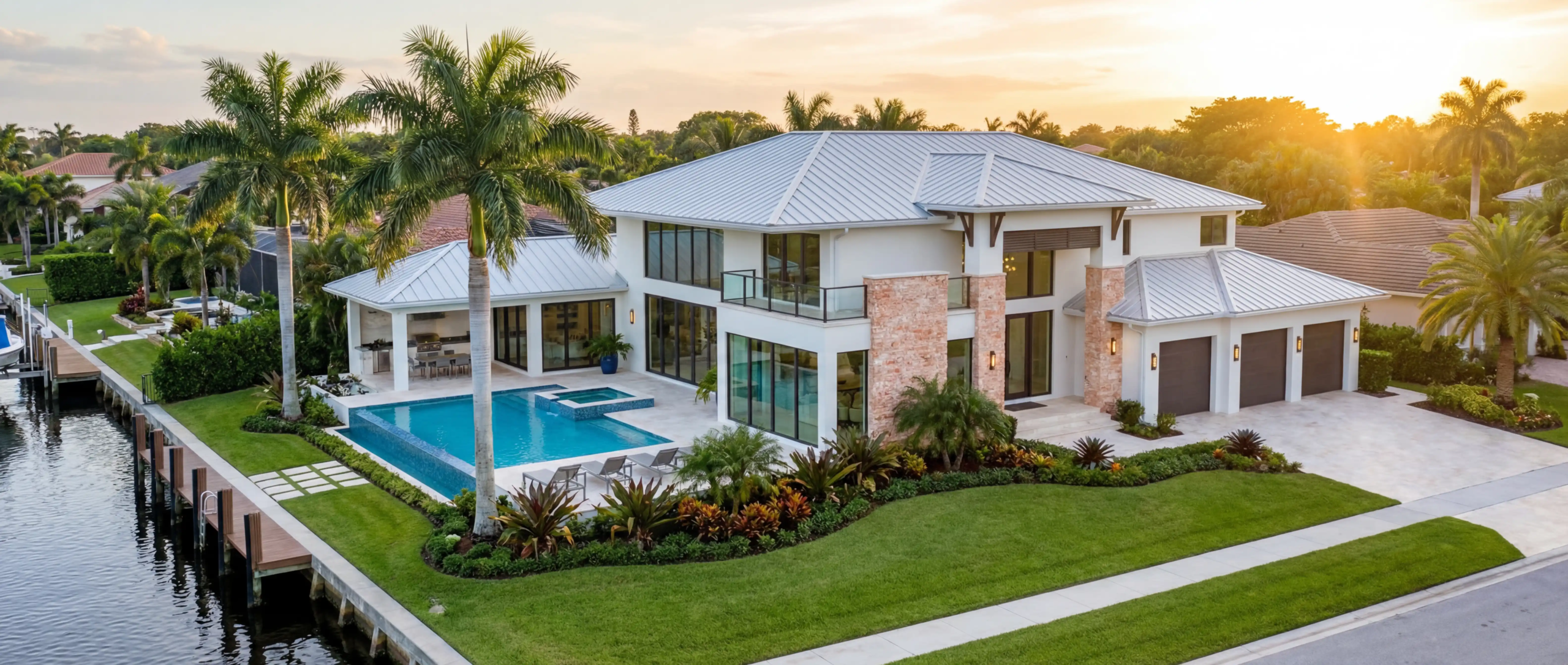
South Florida has long held a magnetic pull for those seeking a sun-drenched escape. Its alluring coastline, vibrant culture, and consistently favorable climate transform it into a perennial destination for vacationers. For discerning individuals considering a second home, South Florida’s vacation property market presents a compelling proposition, offering not just a personal retreat but also a potentially robust investment. This guide aims to equip you with the factual knowledge and practical insights necessary to navigate this dynamic market, whether your aim is to purchase your dream getaway or to divest a current vacation asset.
The Allure of the South Florida Vacation Home: Beyond the Tourist Trail
When the term "vacation home" is invoked, images of pristine beaches and turquoise waters often come to mind. While South Florida undeniably delivers on these iconic visuals, the appeal of owning a vacation property here extends far beyond the superficial. These residences serve as anchors to a lifestyle, a tangible connection to a region synonymous with relaxation, recreation, and refined living. Explore Our Current Listings to find your dream home today.
A Lifestyle Investment: More Than Just Four Walls
A vacation home in South Florida is a commitment to a particular quality of life. It's the ability to spontaneously plan a weekend by the ocean, to escape the chill of northern winters with little notice, or to host family and friends in a setting that embodies leisure. This proactive approach to recreation allows you to reclaim your time and curate your experiences. Instead of being subject to fluctuating hotel prices and availability, you control your access to paradise.
Unlocking Rental Income Potential: A Strategic Financial Move
Beyond personal enjoyment, South Florida vacation homes offer significant potential for generating rental income. The consistent influx of tourists and seasonal residents creates a robust demand for short-term and long-term rentals. Strategic ownership can transform your vacation property from a personal indulgence into a revenue-generating asset. This dual purpose – personal enjoyment and investment return – forms the bedrock of the South Florida vacation home market.
Diversifying Your Investment Portfolio: Adding a Tangible Asset
For seasoned investors, a South Florida vacation home represents a tangible diversification strategy. Real estate, particularly in a desirable geographical location with consistent demand, can act as a hedge against market volatility in other asset classes. Its physical presence provides a sense of security, and its potential for appreciation, coupled with rental income, can contribute meaningfully to a well-rounded investment portfolio.
Key Considerations for Prospective Vacation Home Buyers
Acquiring a vacation home in South Florida requires a systematic and informed approach. Understanding the nuances of the local market, the financial implications, and the practicalities of ownership will pave the way for a successful acquisition.
Location, Location, Location: Micro-Markets within the Macro-Market
South Florida is not a monolithic entity; it's a tapestry of distinct communities, each with its own unique character, amenities, and real estate dynamics. The "perfect" location for a vacation home is a subjective determination, influenced by your personal preferences and investment objectives.
Coastal Enclaves: The Quintessential Beachfront Experience
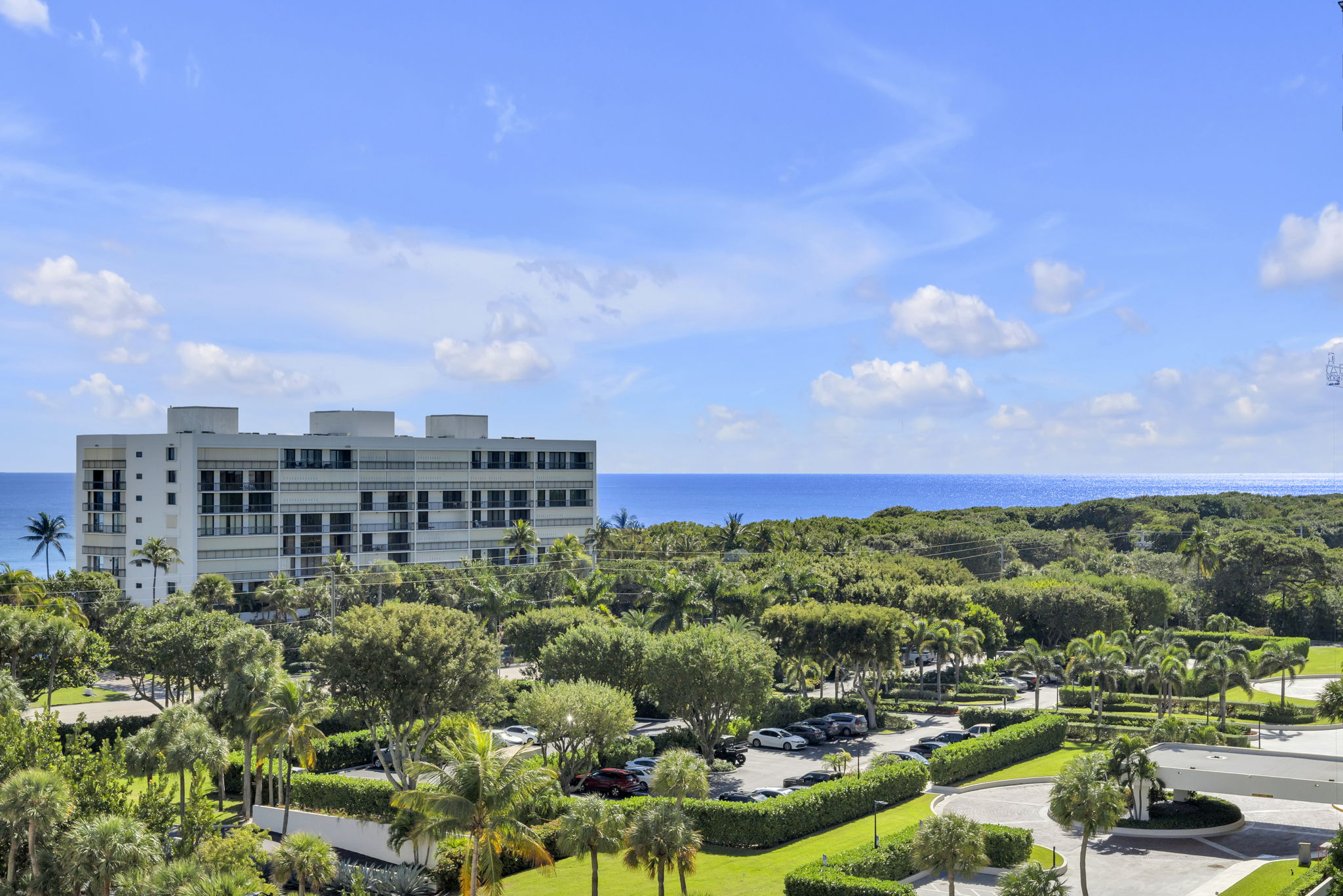
For those who dream of waking to the sound of waves, the coastal areas of South Florida offer unparalleled opportunities. From the vibrant energy of Miami Beach and Fort Lauderdale to the more serene stretches of the Florida Keys and the refined elegance of Palm Beach, these locations provide direct access to the Atlantic Ocean and its associated recreational activities.
- Miami Beach: Known for its Art Deco architecture, lively nightlife, and world-class dining, Miami Beach attracts a sophisticated buyer seeking both an active social scene and a luxurious coastal retreat. Properties range from opulent oceanfront condominiums to charming historic villas.
- Fort Lauderdale: Often referred to as the "Venice of America" due to its extensive network of canals, Fort Lauderdale offers a blend of urban amenities and aquatic lifestyle. Its robust rental market makes it an attractive option for investors. Condominiums, townhouses, and single-family homes are readily available.
- The Florida Keys: A chain of tropical islands stretching southwest from the mainland, the Keys offer a more laid-back, island-centric lifestyle. From the bustling atmosphere of Key West to the tranquil natural beauty of Islamorada, each key possesses a distinct charm. Vacation homes here often feature waterfront access, docks, and a distinct island vernacular.
- Palm Beach: Synonymous with exclusivity and luxury, Palm Beach boasts pristine beaches, world-class shopping, and a discerning clientele. Properties here are typically high-end, catering to those seeking the utmost in privacy and sophistication.
Inland Havens: Value and Accessibility
While the allure of the ocean is undeniable, South Florida's inland markets offer compelling advantages, often at a more accessible price point and with their own unique advantages. These areas can provide excellent investment opportunities and are often within a short drive to the coast.
- Boca Raton & Delray Beach: These neighboring cities offer a sophisticated lifestyle with a strong emphasis on community, excellent dining, and access to both beautiful beaches and thriving cultural scenes. They attract families and individuals seeking a balanced lifestyle.
- Naples & Fort Myers (Southwest Florida): While technically on the Gulf Coast, these rapidly growing areas are often considered within the broader South Florida vacation home context. They are renowned for their pristine beaches, championship golf courses, and affluent demographic, offering a slightly different, yet equally desirable, coastal experience.
- Suburban Appeal: Neighborhoods surrounding major hubs like Orlando (though not strictly South Florida, it's a key vacation destination for many) or even areas further inland from the most congested coastal zones can offer a more relaxed pace of life, larger properties, and potentially greater affordability, while still providing convenient access to attractions and amenities.
Financial Prudence: Understanding the True Cost of Ownership
Purchasing a vacation home involves a deeper financial commitment than simply the list price. A thorough understanding of all associated costs is paramount to avoid unexpected financial strain.
Securing Financing: Tailored Mortgages for Second Homes
Obtaining a mortgage for a second home, particularly one intended for vacation rental, can differ from financing a primary residence. Lenders often require a larger down payment and may have different interest rate structures. It is crucial to work with lenders experienced in vacation home financing.
- Down Payment Requirements: Expect down payments for second homes to be higher than for primary residences, often ranging from 20% to 40% or more.
- Interest Rates: Interest rates on second mortgages can sometimes be slightly higher due to the perceived increased risk for lenders.
- Cash Flow Analysis: If you plan to rent out your property, lenders will scrutinize your projected rental income to ensure it can support the mortgage payments.
Ongoing Expenses: The Price of Paradise
Beyond the mortgage, a vacation home incurs a consistent stream of operating expenses that must be factored into your budget. These costs are an investment in maintaining your asset and ensuring its appeal to renters.
- Property Taxes: South Florida’s property taxes vary by county and municipality, but generally reflect the assessed value of your property. Owners of vacation homes should anticipate these annual costs.
- Homeowners Insurance: Coastal properties, especially those in hurricane-prone areas like South Florida, often have higher insurance premiums due to the increased risk of weather-related damage. Specialized flood insurance may also be necessary.
- HOA Fees: Many condominium complexes and some single-family home communities have Homeowners Associations (HOAs) that charge monthly or annual fees to cover communal amenities, landscaping, and maintenance. These fees can significantly impact your overall carrying costs.
- Utilities: Even when unoccupied, a vacation home incurs utility costs for electricity, water, and internet, especially if you are maintaining air conditioning.
- Maintenance and Repairs: Regular maintenance is crucial for preserving your property’s value and ensuring guest satisfaction. This includes landscaping, pool upkeep, pest control, and interior upkeep.
- Property Management Fees: If you plan to rent out your home and live remotely, a professional property management company will be essential for handling bookings, guest communication, check-ins/check-outs, and property maintenance. These services typically come with a percentage of the rental income.
Legal and Regulatory Landscapes: Navigating the Rules
South Florida’s real estate market operates within a framework of state and local regulations. Understanding these is vital to avoid potential legal pitfalls.
Short-Term Rental Regulations: A Patchwork of Rules
The proliferation of short-term rentals has led many municipalities to implement specific ordinances governing their operation. These regulations can include licensing requirements, occupancy limits, noise restrictions, and limitations on the duration of rentals. Failing to comply can result in significant fines.
- Local Ordinances: Research the specific short-term rental regulations in the municipality where you are considering purchasing. Some areas are very restrictive, while others are more permissive.
- Zoning Laws: Understand how zoning laws in your chosen area apply to rental properties, particularly regarding commercial activities within residential zones.
Property Disclosure and Contracts: Ensuring Transparency
South Florida real estate transactions are governed by strict disclosure laws to protect buyers. Sellers are obligated to disclose known material defects with their property. Understanding the standard Florida Association of Realtors (FAR) contracts is crucial.
- Seller Disclosures: Familiarize yourself with the required seller disclosure forms and ensure all information provided is accurate.
- Buyer Due Diligence: Engage a qualified real estate attorney and conduct thorough inspections to uncover any potential issues not disclosed by the seller.
The Art of Selling Your South Florida Vacation Home
Divesting a vacation property requires a strategic approach tailored to the unique characteristics of the second-home market. Understanding current market conditions, effective marketing, and legal compliance are your allies in achieving a successful sale.
Assessing Your Property’s Market Value: A Realistic Appraisal
Determining the optimal listing price for your vacation home is a critical first step. Overpricing can lead to prolonged listings and ultimately a lower sale price, while underpricing leaves money on the table.
Comparative Market Analysis (CMA): The Foundation of Pricing
A CMA, performed by an experienced real estate agent, is essential. This involves analyzing recent sales of comparable properties in your immediate area, considering their size, features, condition, and proximity to desirable amenities.
- Key Comparables: Focus on sales of similar vacation homes, particularly those that have recently sold. A property that sold five years ago may not reflect current market dynamics.
- Unique Selling Propositions: Identify and highlight what makes your property stand out – its specific views, desirable features (e.g., a private dock, updated kitchen, proximity to a sought-after beach), or rental history.
Factors Influencing Value: Beyond the Bricks and Mortar
Several factors beyond the physical structure of your vacation home can influence its marketability and ultimately its sale price.
- Rental Performance: A positive rental history with consistent bookings and strong revenue can be a significant selling point, especially for investors.
- Condition and Upgrades: Properties that are well-maintained and have undergone recent renovations, particularly in high-demand areas like kitchens and bathrooms, will command higher prices.
- Seasonal Demand: South Florida experiences distinct seasonal demand patterns. Understanding the optimal selling period for your property can influence your listing strategy and pricing.
Crafting a Compelling Marketing Strategy: Reaching the Right Audience
Effective marketing for a vacation home targets individuals actively seeking a property for leisure and investment. This often involves a broader reach than marketing a primary residence.
Professional Photography and Videography: The Digital Showcase
In today’s digital-first real estate landscape, high-quality visuals are non-negotiable. Professional photography and videography are crucial for capturing the essence of your South Florida retreat.
- Highlighting Lifestyle: Showcase not just the property’s features but also the lifestyle it offers. Images of the pool, outdoor entertaining areas, and proximity to beaches or attractions are vital.
- Virtual Tours: Offer immersive virtual tours to allow potential buyers to explore your property remotely, increasing engagement and filtering serious inquiries.
Digital Marketing and Targeted Advertising: Reaching the Global Buyer
Your target audience for a vacation home may reside anywhere in the world. A robust digital marketing strategy is essential to reach them effectively.
- Online Listing Portals: Ensure your property is listed on prominent national and international real estate websites.
- Social Media Campaigns: Utilize platforms like Instagram, Facebook, and Pinterest with visually appealing content and targeted advertising to reach demographics interested in vacation properties and South Florida.
- Email Marketing: Leverage your real estate agent’s database and industry connections to promote your listing through targeted email campaigns.
The Closing Process: Smooth Sailing to Sale
The closing process for a vacation home sale in South Florida follows established procedures, but an experienced agent and legal counsel are invaluable for navigating potential complexities.
Negotiation and Offer Acceptance: Finding Common Ground
Once an offer is received, negotiation is often a key part of the process. Your agent will guide you through evaluating offers, counter-offers, and contingencies.
- Contingencies: Understand common contingencies, such as financing, appraisal, and inspection contingencies, and their implications for the sale timeline.
- Earnest Money Deposit: The buyer’s earnest money deposit signifies their commitment to the purchase and is held in escrow.
Title Examination and Closing: The Final Steps
Before closing, a title search is conducted to ensure the seller has clear title to the property and that there are no outstanding liens or encumbrances. The closing itself involves the transfer of ownership and funds.
- Escrow Agent: A neutral third party, typically an escrow company or title company, will manage the closing process, holding funds and documents until all conditions are met.
- Final Walk-Through: A final walk-through is typically conducted by the buyer just before closing to ensure the property remains in the agreed-upon condition.
Investing in South Florida’s Future: A Sustainable Approach
The South Florida vacation home market, while offering significant rewards, also demands a commitment to responsible ownership and foresight. Understanding the evolving trends and sustainability practices will ensure your investment remains valuable and aligns with the region’s long-term vision.
Embracing Sustainable Tourism and Ownership
As global awareness of environmental impact grows, purchasers are increasingly seeking properties and destinations that prioritize sustainability. Incorporating eco-friendly practices into your vacation home ownership can enhance its appeal and contribute to the preservation of South Florida’s natural beauty.
Energy Efficiency and Water Conservation: Smart Use of Resources
Implementing energy-efficient appliances, smart thermostats, and water-saving fixtures can significantly reduce utility costs and minimize your environmental footprint.
- Solar Power Integration: Consider the potential for solar panel installation to reduce reliance on the grid and lower energy bills.
- Native Landscaping: Opting for drought-tolerant native plants for landscaping reduces water consumption and supports local ecosystems.
Supporting Local Communities and Economies
Choosing to rent out your vacation home can be a powerful engine for local economic growth. Prioritizing local services for maintenance, cleaning, and property management creates jobs and strengthens the community fabric.
- Local Vendors: Partner with local businesses for all aspects of your vacation home management, from repairs to guest services.
- Community Engagement: For longer stays, encourage your renters to patronize local restaurants, shops, and attractions.
The Evolving Landscape: Staying Ahead of Trends
The South Florida real estate market is dynamic, shaped by economic shifts, demographic changes, and evolving lifestyle preferences. Staying informed about these trends will enable you to make informed decisions.
Tech Integration and Smart Home Features: Enhancing Convenience and Security
The integration of smart home technology is no longer a novelty but an expectation for many. Features such as keyless entry, smart lighting, security systems, and integrated entertainment systems can enhance convenience, security, and the overall guest experience.
- Remote Management: Smart home technology allows owners and property managers to monitor and control various aspects of the property remotely.
- Guest Experience: Amenities like smart TVs, high-speed Wi-Fi, and voice-activated assistants contribute to a more seamless and enjoyable stay for renters.
The Rise of Wellness and Experiential Travel: Catering to Modern Desires
The concept of a vacation is shifting from passive relaxation to active engagement and well-being. Properties that offer spaces for yoga, meditation, fitness, or easy access to nature and outdoor activities are increasingly in demand.
- Dedicated Wellness Spaces: Incorporating a home gym, a yoga deck, or a meditation garden can significantly increase a property's appeal.
- Proximity to Nature: Properties located near nature preserves, hiking trails, or offering direct access for kayaking or paddleboarding cater to the growing desire for experiential travel.
Conclusion: Your South Florida Legacy Awaits
Owning a vacation home in South Florida is more than a transaction; it's an invitation to a lifestyle and an opportunity to build a tangible legacy. Whether you are envisioning tranquil mornings by the ocean or a sound investment that appreciates over time, the market offers a diverse array of opportunities. By approaching this endeavor with knowledge, diligence, and a clear understanding of your personal and financial goals, you can confidently navigate the path to securing your own piece of South Florida paradise. The market is ready; your sanctuary awaits.
Talk to a Local Real Estate Expert
Join The Discussion